Ground Mount Solar Foundations Compared: Screws, Piles or Ballast?
Every solar ground mounting system rests on one decision that is hard to change later: the foundation. Racking, rails and clamps get the attention, but it is the base that carries wind uplift, snow load and decades of vibration into the ground. This guide compares the three foundations used on today's ground mount solar projects — ground screws, concrete piles and ballasted bases — and shows how to match one to your soil, site access and schedule.
Why the Foundation Decides Ground Mount Solar Performance
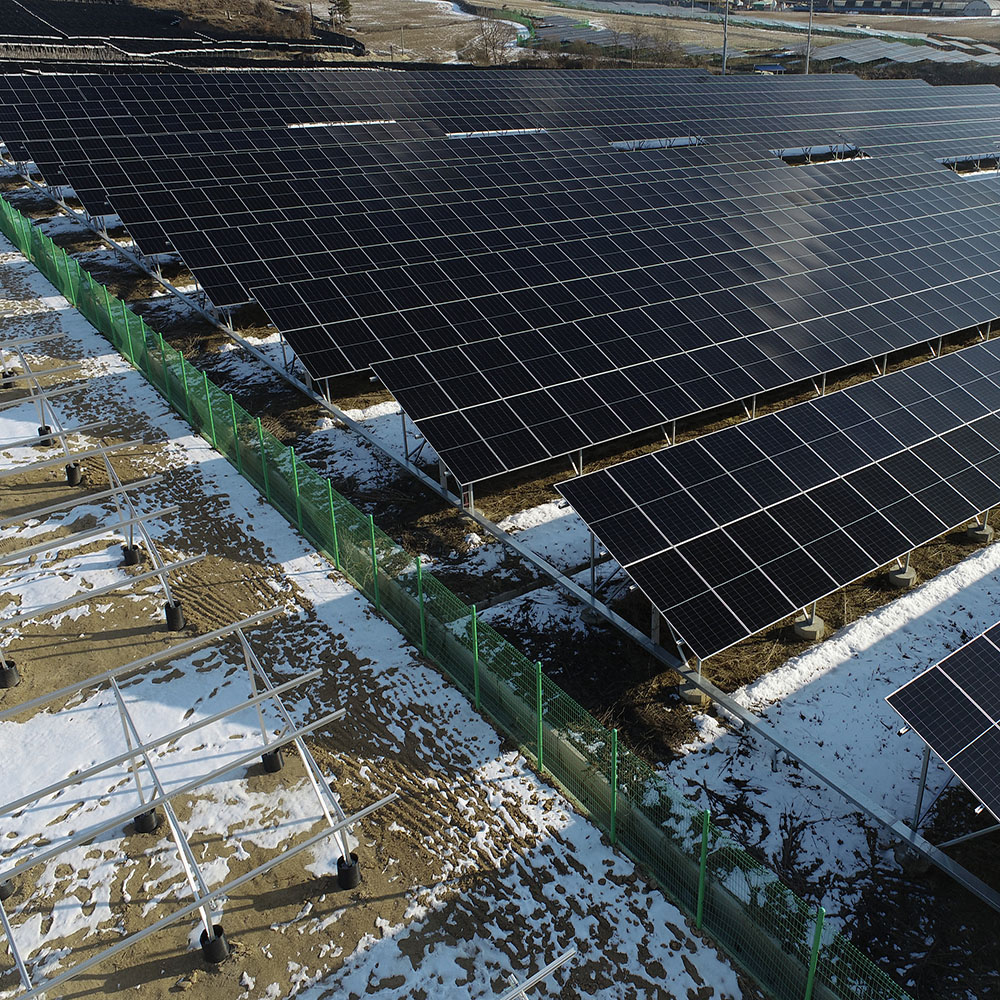
The foundation is usually the largest single item in ground mount solar cost after the modules, and it consumes most of the installation window. A racking system engineered for high wind still fails if a footing creeps out of the soil. Soil type, frost depth, water table, corrosion class and local permits all push the design toward a different base — and the wrong choice is expensive to reverse, because replacing a footing means pulling rows, re-engineering the layout and re-inspecting the array.
Ground Screw Foundations: Fast, Clean and Reversible
Ground screws (also called helical piles) are galvanised steel shafts with a helical blade that are rotated into the soil to a designed depth, leaving the mounting bracket above grade. They have become the default for most new commercial and utility scale solar mounting projects because the workflow is simple: mark the position, drive the screw to the required torque, cut the bracket to the string line, bolt on the rail.
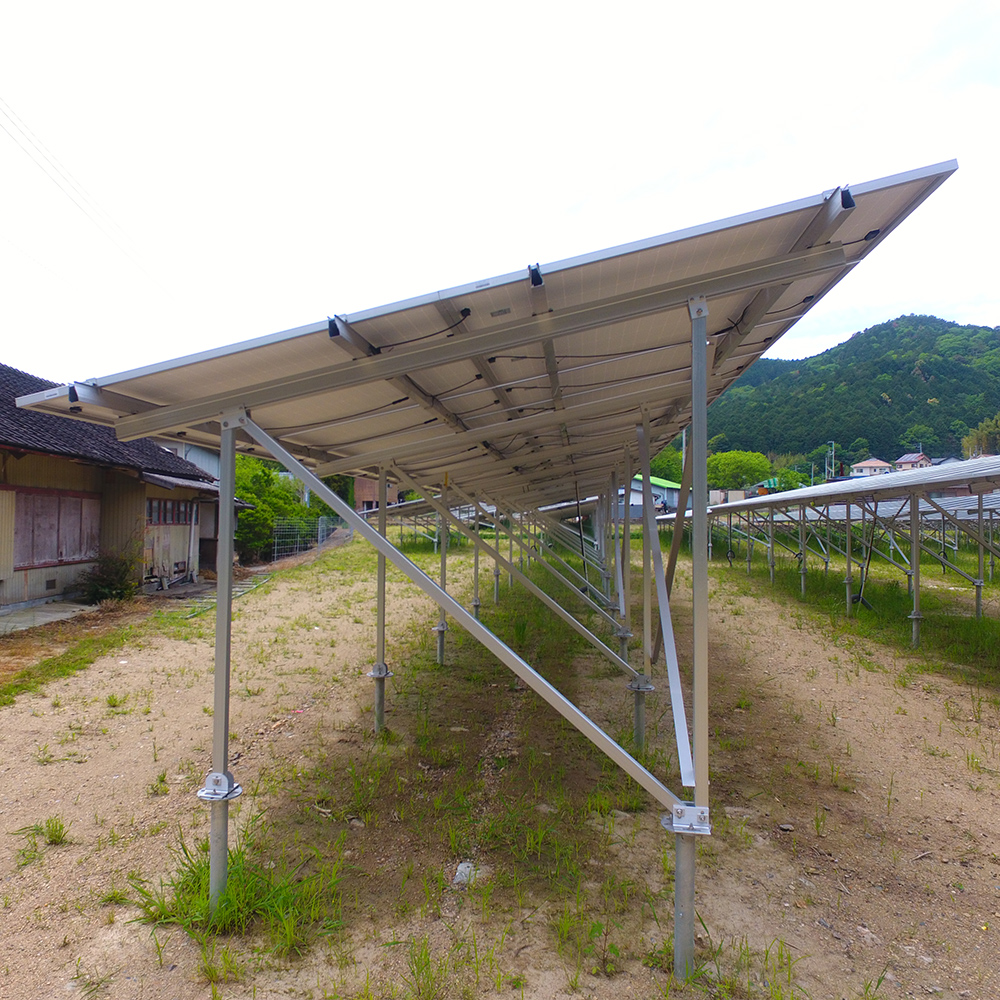
Strengths:
• Two to three minutes per foundation with the right driver — no excavation and no concrete curing time.
• Work continues through winter, when concrete pours are difficult or impossible.
• Very little soil disturbance, so grass and topsoil stay intact — a real advantage on farmland and leased land.
• Removable: screws can be extracted and reused if the array is relocated.
Limits:
• Rocky, boulder-heavy or very dense ground can stop a screw; a geotechnical review or test pile is essential.
• Capacity has to be confirmed by torque readings, not assumed from a soil description.
• Wet or aggressive soils need a higher corrosion class and sometimes a larger shaft.
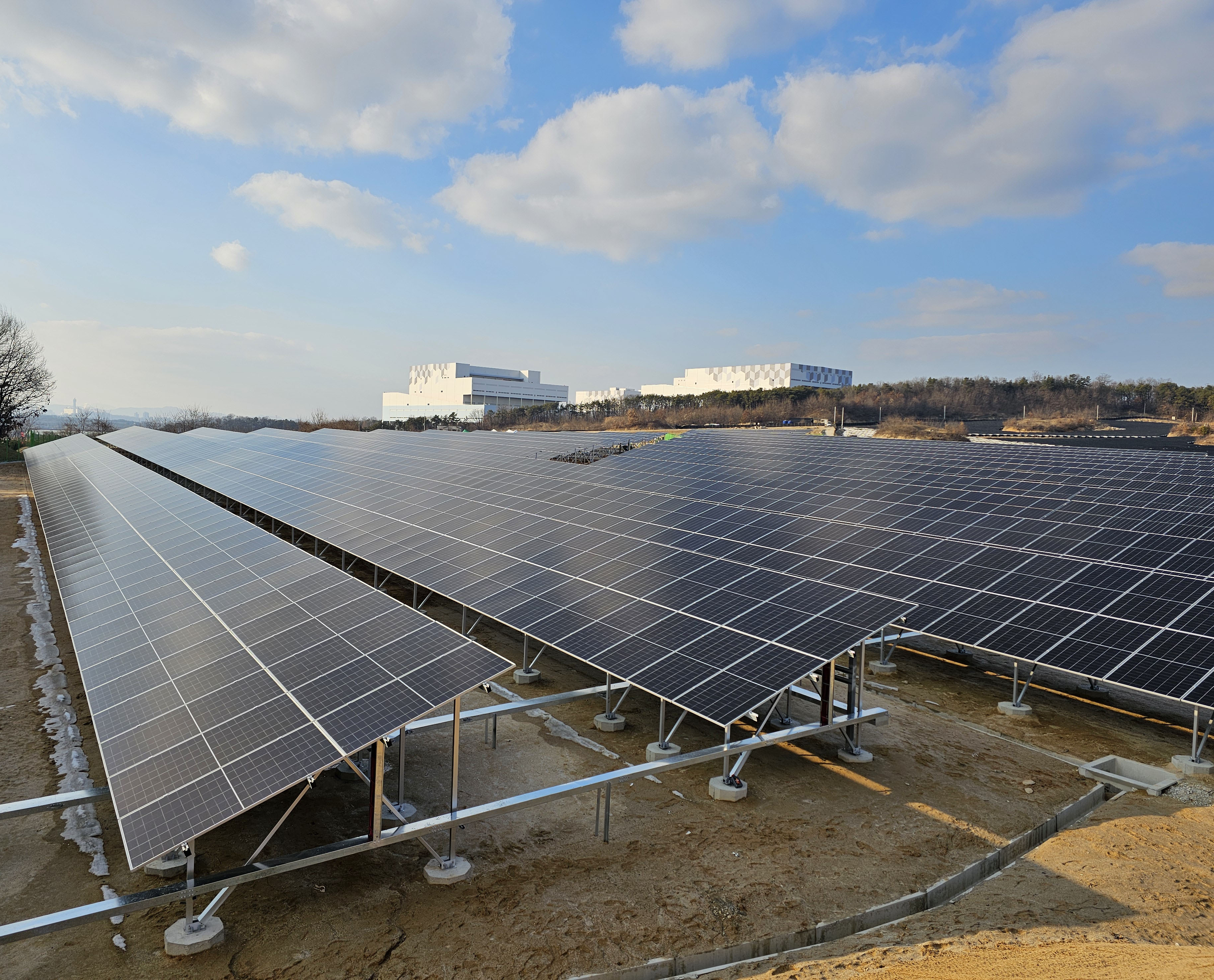
Concrete Piles and Cast-In-Place Footings
Concrete remains the traditional solar ground mount foundation. A driven pile, a driven-cast pile or a cast-in-place pier delivers very high uplift and lateral capacity, which suits heavy snow regions, soft or variable soils and sites where a screw cannot reach the design depth.
The trade-offs are time and permanence. Concrete needs excavation, formwork, reinforcement, curing and usually a truck that can reach every row, and removing it at end of life is a demolition job. On leased land that may return to farming, that is a serious cost to plan for.
Ballasted Ground Mount Bases: When the Soil Cannot Be Touched
Ballast systems hold the array down with precast blocks or ballast trays instead of anything driven into the ground. They are the answer for landfill caps, capped brownfield sites, contaminated soil and protected ground. The price is footprint and freight: ballasted bases need far more space per row, a verified bearing capacity and large volumes of concrete on site, so they rarely win on cost in an open field.
How the Three Foundations Compare
• Installation speed: ground screws are fastest by a wide margin; concrete is slowest because of curing, and ballast is limited by crane and delivery time.
• Site access: screws work with compact equipment that fits between rows; concrete needs mixer or pump access.
• Soil impact: screws leave the soil profile almost unchanged; piles and ballast are far more intrusive.
• Frost and water table: deep frost lines and high water tables push projects toward piles, or toward deeper screws with engineered embedment.
• Cost drivers: steel and installation time for screws, concrete volume and labour for piles, block count plus freight for ballast.
• End of life: screws are removable, concrete is not, ballast can be lifted away.
How to Choose the Right Ground Mount Solar Foundation
1. Read the geotechnical report first — bearing capacity, rock depth and corrosivity eliminate options fast.
2. Fix the design loads: wind speed, snow load and exposure category set the required uplift resistance.
3. Check frost depth and drainage, so foundations sit below the frost line or resist heave by design.
4. Map the schedule. In a short energisation window, screws remove the curing delay entirely.
5. Match the land tenure: on leased or temporary land, a reversible foundation protects the soil and your exit cost.
FAQ
How deep do ground screws go on a solar ground mounting system?
Depth is set by the engineered design and confirmed on site: the screw is driven until the specified torque is reached, and a test pile is installed before production starts. Required depth moves with soil strength, frost line and row load, so the design value always beats a rule of thumb.
Do ground screws work on rocky soil?
Sometimes. Shallow rock, boulders or dense gravel can stop a screw or leave it short of embedment. One or two test piles answer the question quickly — far cheaper than reworking a failed row.
Is a ground screw foundation cheaper than concrete?
On most level, accessible sites with normal soil, yes — installation is faster and no concrete, form work or curing is needed. On very rocky, very soft or heavily loaded sites, piles can still deliver the lower total cost.
Planning a Ground Mount Project?
Foundation choice is a design decision, not a purchasing afterthought. Put the soil report, the load case and the site access plan on the table early, and the rest of the solar ground mounting system — screws or piles, rails, clamps and layout — falls into place quickly.
Get a foundation-led quote for your next ground mount solar project:
[melody@9sunsolar.com]