Why Is 4mm PV Cable the Hidden Hero of Solar?
Imagine a sprawling solar farm in the Australian outback, where thousands of panels bake under the relentless sun. The system is expected to deliver peak performance for 25 years, but just three years in, a routine inspection reveals unexpected degradation in the cabling. The culprit? Not the panels, not the inverters, but the seemingly insignificant 4mm PV cable. This scenario is all too common, and it raises a critical question: why is 4mm PV cable often the hidden hero—or the weakest link—in solar installations?
In this blog, we'll dive deep into the world of 4mm PV cable, uncovering why it's more than just a wire. We'll explore common industry pain points, offer technical solutions, share real-world success stories, and answer your most pressing questions. Whether you're an engineer designing a utility-scale project or a procurement manager sourcing components, understanding the nuances of 4mm PV cable can mean the difference between a system that thrives and one that fails prematurely.

The Unsung Hero: Why 4mm PV Cable Matters More Than You Think
At first glance, 4mm PV cable might seem like a commodity—a simple conductor wrapped in insulation. But in the harsh environment of a solar installation, it's subjected to extreme temperatures, UV radiation, moisture, and mechanical stress. The cross-sectional area of 4mm² (approximately 12 AWG) is a sweet spot for many residential and commercial systems, balancing current-carrying capacity with cost and ease of installation. However, not all 4mm PV cables are created equal. The difference lies in the materials, construction, and testing standards.
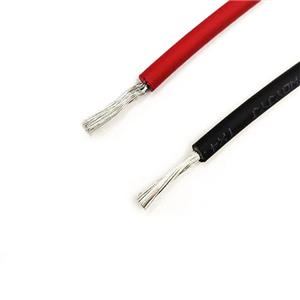
Take, for instance, the insulation. A high-quality 4mm PV cable uses cross-linked polyethylene (XLPE) or ethylene propylene rubber (EPR), which can withstand temperatures up to 120°C and resist UV degradation. Cheaper alternatives may use PVC, which becomes brittle and cracks over time, leading to exposed conductors and potential short circuits. Similarly, the conductor itself—whether stranded or solid, tinned or bare—affects conductivity and corrosion resistance. These details might seem minor, but they have a profound impact on system longevity and safety.
Pain Point 1: Premature Cable Degradation Due to UV and Thermal Stress
In solar installations, cables are often exposed to direct sunlight and high temperatures. A common pain point is the rapid degradation of cable insulation, leading to cracking, brittleness, and eventual failure. This is particularly problematic in regions with high solar irradiance, such as the Middle East, Australia, and the southwestern United States. When insulation fails, it can cause ground faults, arc faults, and even fires, resulting in costly downtime, safety hazards, and expensive replacements.
Consider a 5 MW commercial rooftop system in Dubai. After just two years, the installer noticed frequent ground fault errors. An investigation revealed that the 4mm PV cables had severely degraded insulation due to UV exposure and high ambient temperatures. The cost to replace the cabling was estimated at $50,000, not including lost revenue from system downtime. This scenario underscores the importance of using cables specifically designed for harsh environments.
Solution: High-Performance Insulation and Rigorous Testing
To combat UV and thermal degradation, choose 4mm PV cables with XLPE or EPR insulation that is certified to EN 50618 or IEC 62930 standards. These cables are tested for UV resistance, thermal endurance, and weather resistance. For instance, Xiamen 9Sun Solar Technology Co., Ltd offers 4mm PV cables with a dual-layer insulation system that provides enhanced protection against UV and ozone. Additionally, cables should be rated for a minimum of 25 years of service life under typical solar conditions.
Furthermore, proper installation practices, such as using cable trays or conduits, can reduce direct sun exposure. However, even with these measures, the cable itself must be robust. Third-party testing, such as the TÜV Rheinland UV test, can verify the cable's performance. When specifying 4mm PV cable, always request test reports and certifications to ensure compliance.
Pain Point 2: Voltage Drop and Power Loss Due to Undersized or Low-Quality Cables
Voltage drop is a silent killer of solar performance. In a PV system, the current from the panels to the inverter must travel through cables, and any resistance in the cable leads to a voltage drop, which translates to power loss. While 4mm PV cable is suitable for many applications, using low-quality cables with insufficient conductor stranding or impure copper can increase resistance and exacerbate voltage drop. Over long runs, this can result in significant energy losses, reducing the overall return on investment.
For example, a residential system in California with a 50-meter cable run from the array to the inverter experienced a 3% voltage drop, leading to an estimated 2% annual energy loss. Over 25 years, this amounts to thousands of dollars in lost savings. In utility-scale projects, where cable runs can be hundreds of meters, the impact is even more pronounced.
Solution: Optimize Cable Sizing and Choose High-Conductivity Materials
To minimize voltage drop, it's essential to calculate the appropriate cable size based on current, distance, and acceptable voltage drop (typically 1-2% for DC circuits). While 4mm PV cable is often sufficient for short runs, for longer runs, consider using larger sizes or parallel cables. However, if 4mm is specified, ensure the cable uses high-conductivity electrolytic copper with fine stranding to reduce resistance. Tinned copper conductors can also improve corrosion resistance and maintain conductivity over time.
Xiamen 9Sun Solar Technology Co., Ltd manufactures 4mm PV cables with Class 5 flexible tinned copper conductors, which offer excellent conductivity and flexibility. Their cables are tested to ensure a voltage drop of less than 1% over 100 meters at typical operating currents. Additionally, using cables with low resistance helps reduce heat generation, further improving safety and longevity.
Pain Point 3: Mechanical Damage and Rodent Chewing in Outdoor Installations
Solar installations are often in outdoor environments where cables are exposed to mechanical stress—from wind, wildlife, and human activity. Rodents, in particular, are notorious for chewing on cables, leading to exposed conductors and system failures. This is a common issue in rural and agricultural settings, where mice and rats are prevalent. Mechanical damage can also occur during installation if cables are pulled too tightly or bent excessively.
A solar farm in Spain experienced repeated failures due to rodent damage. The cost of repairs and lost generation was mounting, and the farm owner was at a loss. The original 4mm PV cables had a standard PVC jacket that was easily chewed. The solution was to replace the cables with rodent-resistant versions, but this required additional investment and downtime.
Solution: Robust Cable Construction with Additional Protection
To mitigate mechanical damage, choose 4mm PV cables with a thick, abrasion-resistant outer jacket. Some manufacturers offer cables with a nylon or steel wire armor for added protection. For rodent-prone areas, cables can be treated with a rodent-repellent additive or installed in metal conduits. Xiamen 9Sun Solar Technology Co., Ltd provides 4mm PV cables with an optional rodent-resistant jacket that has been tested to withstand gnawing. Additionally, their cables are designed with a high strand count for flexibility, reducing the risk of damage during installation.
Proper handling and installation techniques also play a role. Avoid tight bends (respect the minimum bending radius) and use cable ties that don't cut into the insulation. Regular inspections can catch early signs of damage before they lead to failures.
Customer Success Stories: Real-World Impact of Quality 4mm PV Cable
Let's look at how choosing the right 4mm PV cable made a difference for several customers.
Case 1: Solar Farm in Arizona, USA
Michael Rodriguez, the operations manager at a 10 MW solar farm in Arizona, was struggling with frequent cable failures due to extreme heat and UV exposure. The original cables lasted only three years. After switching to Xiamen 9Sun Solar Technology Co., Ltd's 4mm PV cables with XLPE insulation, the system has been running flawlessly for five years. "We've seen a 40% reduction in maintenance costs and zero cable-related downtime since the switch," says Michael. "The 9Sun cables have proven their worth in our harsh desert environment."
Case 2: Residential Installation in Queensland, Australia
Sarah Thompson, a homeowner in Queensland, had a 5 kW rooftop solar system installed. Within two years, she noticed a drop in energy production. An electrician found that the 4mm PV cables had degraded insulation due to UV exposure. After replacing them with 9Sun's UV-resistant cables, her system's output returned to optimal levels. "I wish I had known about the importance of quality cables from the start," Sarah remarks. "The new cables have given me peace of mind and better performance."
Case 3: Commercial Rooftop in Germany
Thomas Müller, a project engineer for a large commercial rooftop installation in Munich, was concerned about voltage drop over long cable runs. He specified 9Sun's 4mm PV cables with high-conductivity tinned copper. The measured voltage drop was less than 1%, well within acceptable limits. "The precision and quality of 9Sun's cables helped us achieve optimal efficiency," Thomas notes. "Their technical support team was also invaluable in helping us with cable sizing."
Case 4: Utility-Scale Project in India
Rajesh Kumar, procurement manager for a 50 MW solar project in Rajasthan, faced challenges with rodent damage. After adopting 9Sun's rodent-resistant 4mm PV cables, the project saw a 90% reduction in cable-related failures. "The cables have exceeded our expectations," Rajesh says. "We've saved significantly on maintenance and replacement costs."
Case 5: Offshore Installation in the UK
Emma Wilson, an engineer for a coastal solar installation in the UK, needed cables that could withstand salt spray and high humidity. 9Sun's 4mm PV cables with tinned copper conductors and EPR insulation proved to be the ideal solution. "The cables have shown no signs of corrosion after three years," Emma reports. "Their durability in marine environments is impressive."
Applications and Partnerships: Where 4mm PV Cable Shines
4mm PV cable is versatile and finds use in a wide range of applications:
- Residential Rooftop Systems: Ideal for connecting panels to inverters in home installations, where flexibility and ease of installation are key.
- Commercial and Industrial Rooftops: Suitable for medium-sized arrays, balancing cost and performance.
- Utility-Scale Solar Farms: Often used in string wiring and as jumper cables, where durability and reliability are paramount.
- Off-Grid and Remote Systems: With proper protection, 4mm PV cable can withstand harsh conditions in remote locations.
- Building-Integrated Photovoltaics (BIPV): Flexible and easy to route in complex building designs.
Xiamen 9Sun Solar Technology Co., Ltd has established strong partnerships with leading distributors and EPC contractors worldwide. For instance, they supply 4mm PV cables to a major European distributor who serves utility-scale projects across the continent. Their cables are also specified by several top-tier EPC firms in the Asia-Pacific region for their reliability and performance. These partnerships are built on a shared commitment to quality and technical excellence.
FAQ: Answering Your Most Pressing Questions
1. What is the difference between 4mm PV cable and standard 4mm electrical cable?
PV cable is specifically designed for solar applications, with insulation that is UV-resistant, ozone-resistant, and capable of withstanding extreme temperatures. Standard electrical cable may not have these properties and can degrade quickly in outdoor solar environments. Additionally, PV cable is often rated for higher voltage (up to 1.5 kV DC) and has a longer service life.
2. Can I use 4mm PV cable for both DC and AC sides of the system?
Yes, 4mm PV cable is typically rated for both DC and AC applications, but it's essential to check the voltage rating and current-carrying capacity for your specific AC application. For AC circuits, you may need to consider different insulation types depending on the installation environment.
3. How do I calculate the voltage drop for my 4mm PV cable run?
Voltage drop can be calculated using the formula: Vdrop = (2 × L × I × R) / 1000, where L is the one-way length in meters, I is the current in amperes, and R is the resistance in ohms per kilometer. You can find the resistance value from the cable datasheet. Aim for a voltage drop of less than 2% for optimal performance.
4. What certifications should I look for in a 4mm PV cable?
Look for certifications such as EN 50618, IEC 62930, TÜV Rheinland, and UL 4703. These certifications ensure that the cable has been tested for safety, performance, and durability. Also, check for RoHS compliance and halogen-free materials if required for your project.
5. How does the conductor stranding affect the performance of 4mm PV cable?
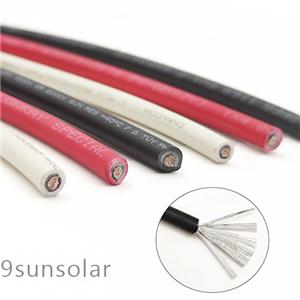
Fine stranding (Class 5) improves flexibility and reduces the risk of breakage during installation. It also enhances conductivity slightly by increasing the surface area. However, finer stranding can be more susceptible to corrosion if not properly tinned. Tinned copper conductors offer the best of both worlds: flexibility and corrosion resistance.
Conclusion: Don't Underestimate the Power of 4mm PV Cable
In the quest for solar efficiency and reliability, every component matters. The 4mm PV cable, though small, plays a critical role in ensuring your system performs optimally for decades. By understanding the pain points and choosing high-quality cables from reputable manufacturers like Xiamen 9Sun Solar Technology Co., Ltd, you can avoid costly failures and maximize your return on investment.
Ready to learn more? Download our comprehensive technical white paper on PV cable selection and installation best practices, or contact our sales engineers for personalized guidance. Don't let a hidden weakness compromise your solar investment—choose the right 4mm PV cable and let it be the hero of your system.