Canton Fair October 2026: A Solar Buyer's Guide to Booth G06, Area C, Hall 14.2
Every October the global solar supply chain converges on Pazhou, Guangzhou, and Phase 1 of the Canton Fair is where mounting hardware, cables, energy storage and EV charging deals actually get started. Xiamen 9Sun New Energy Technology Co., Ltd will be exhibiting from October 15 to 19, 2026 at the Canton Fair Complex, and our team will be waiting for you at Booth G06, Area C, Hall 14.2.
This page is written as a sourcing guide rather than a simple invitation: what to look at, what to compare, what to bring, and how to leave the fair with a supplier shortlist instead of a bag of catalogues.
Why Phase 1 Is the Right Week for Solar Buyers
Phase 1 concentrates the hardware categories that a solar project actually needs - electrical products, new energy equipment and structural components - into five days at one venue. That makes it the cheapest week of the year to compare mounting profiles side by side, hold two brands of rail in the same hand and settle technical questions face to face instead of over a two-week email thread.
Event Details at a Glance
Exhibition: 140th Canton Fair (China Import and Export Fair)
Phase: Phase 1
Dates: October 15-19, 2026
Venue: Canton Fair Complex, Pazhou, Guangzhou, China
Booth: G06, Area C, Hall 14.2
Exhibitor: Xiamen 9Sun New Energy Technology Co., Ltd
Match the Mounting Hardware to the Roof Before You Compare Prices
Most mounting mistakes are decided before a single bolt is tightened, simply because a roof type was matched to the wrong family of hardware. These are the six site types we discuss most often at the fair, with the approach that normally works and the points worth verifying while you are standing at the booth.
Pitched tile roof. Tile roof hooks carrying aluminum rails, fixed into the rafter. Penetration is unavoidable here, so the flashing quality and the amount of hook adjustment matter. Check how the hook sits on the tile and how much tile breakage the installation risks.
Standing seam metal roof. Seam clamps that grip the folded seam without drilling. No penetration, so the clamp profile must match the seam shape exactly. Ask about pull-out load and the coating on the clamp body.
Corrugated or tin roof. L feet or hanger bolts with EPDM sealing washers. This is a penetration fixing, so the seal washer, bolt material and leak warranty are the three details to confirm.
Flat concrete roof. Ballasted or non-penetrating racking, usually with no drilling at all. Ask for the ballast calculation and the wind uplift data, and check how the base protects the roof membrane.
Open ground or farm. Ground screws or concrete foundations, chosen by soil condition. Penetration is into the ground, so the screw gauge, any soil report requirement and the tilt adjustability of the structure are the items to settle.
Car park or canopy. Steel or aluminum carport structures on anchored posts. Check the span, the snow and wind load the design allows, the cable routing inside the structure and how water is kept out of the posts.
Bring your roof photo, panel size or site drawing to Booth G06 and we will walk through the matching hardware with you on the spot.
What Our Team Brings to Guangzhou
We keep the booth practical rather than decorative: samples you can handle, profiles you can measure and data you can take away.
Solar Mounting and Racking
Roof hooks, L feet, standing seam clamps, metal roof clamps, mid and end clamps, aluminum rails and complete roof mounting systems for residential and commercial buildings. Flat roof ballast racking and non-penetrating mounts are also on display for projects where drilling is not allowed.
Ground, Farm and Carport Structures
Ground screws, ground racking, adjustable ground mount structures and solar farm mounting, plus greenhouse solutions for agricultural sites and carport or parking structures for commercial customers.
Cables, Connectors and Small Parts
PV DC cables in 4mm, 6mm and 10mm, MC4 connectors, cable clips and cable trays - the components that decide whether an installation looks professional two years later.
Storage and Charging
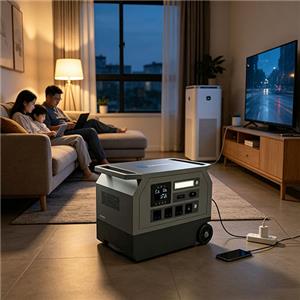
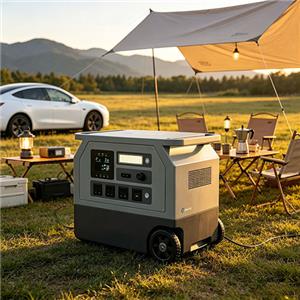
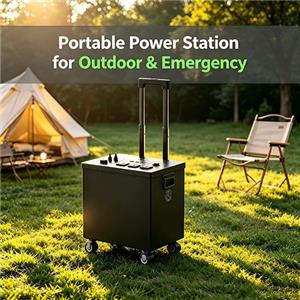
LiFePO4 batteries, portable power stations, solar generators, and AC and DC EV chargers for homes, fleets and commercial parking.
Five Sourcing Mistakes to Avoid at the Fair
Buying hardware before checking the panel and roof combination. A rail that suits one module size and clamp set can be awkward with another.
Comparing prices without comparing material and coating. Aluminum grade, anodizing thickness and stainless steel content are where quotes quietly differ.
Skipping the installation test. Ask to assemble a hook, clamp or rail joint on the spot; ten minutes of handling explains more than a spec sheet.
Leaving without the small parts. Clips, grounding lugs and connectors cause more site delays than the panels themselves.
Collecting catalogues instead of answers. Write down lead times, minimum order quantities, packing dimensions and certification status while the engineer is still standing in front of you.
Questions Worth Asking Any Mounting Supplier
Which roof profiles and module sizes is this system tested with?
What wind and snow load has the structure been designed for, and under which standard?
Which parts are aluminum, which are stainless steel, and what coating is used?
What is the packing size and weight per carton, and how many sets fit in a 20ft container?
What is the sample policy and the production lead time for a trial order?
How are drawings reviewed and confirmed before production starts?