Which Cable Tray is Right for Your Project?
Keeping cables organized and protected is crucial in any industrial or commercial setting. That's where cable trays come in—think of them as the "highways" for your electrical and data cables. Choosing the right type can boost safety, ease maintenance, and improve cost-efficiency. Let's break down the common types and their key advantages.
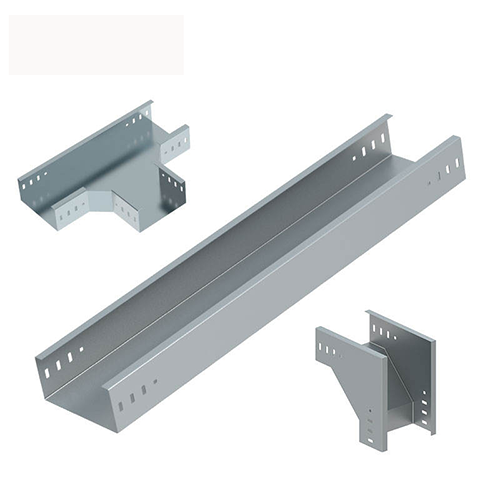
1. Ladder Tray
What it is: Features side rails connected by rungs, resembling a ladder.
Best For: Heavy, large-diameter power cables in long-span applications.
Key Advantages:
Excellent airflow and heat dissipation.
High strength-to-weight ratio.
Easy cable access from the top.
2. Solid Bottom Tray
What it is: Has a solid, unventilated base with ventilated or solid sides.
Best For: Sensitive cables needing protection from dust, debris, or moisture.
Key Advantages:
Maximum protection for smaller power, control, or communication cables.
Prevents small objects from falling through.
Often used in corrosive or cleanroom environments.
3. Trough Tray
What it is: Features a ventilated bottom with shallow sidewalls (typically 2-6 inches high).
Best For: Light to medium power and control cable routing.
Key Advantages:
Good cable support with side protection.
Better airflow than solid bottom trays.
A versatile, all-around choice for many applications.
4. Wire Mesh Tray (Basket Tray)
What it is: Made from stainless steel or galvanized wire welded into a grid.
Best For: Data/telecom cables, office buildings, and light commercial use.
Key Advantages:
Superior, 360-degree airflow.
Extremely lightweight and easy to install/modify.
Easy cable attachment anywhere on the grid.
5. Channel Tray
What it is: A single, enclosed channel, often made from sheet metal.
Best For: Lightweight applications with few cables, like drops to machinery or in-wall/concealed runs.
Key Advantages:
Economical for small, localized cable runs.
Neat, contained appearance.
Simple and quick to install.
The Bottom Line:
There's no one-size-fits-all solution. Ladder trays are for heavy-duty power, solid bottoms are for maximum protection, troughs offer a balanced option, wire mesh is ideal for data and flexibility, and channels handle simple, light tasks. The right choice ensures a safer, more reliable, and easier-to-manage cable system.
- Industry News
- Company News
- blog