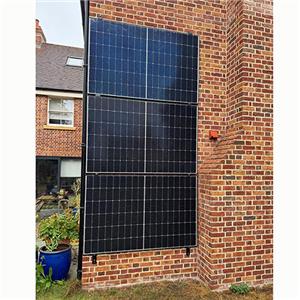
Solar Roof Rail + L-Feet System: The Ultimate Mounting Solution for 2026 and Beyond
When it comes to rooftop solar installations, the mounting structure rarely gets the spotlight — yet it's the unsung hero that determines whether your system lasts 25 years or fails within five. If you're specifying or installing rooftop solar in 2026 and beyond, the solar roof rail + L-feet system deserves a top spot on your bill of materials.
In this guide, we'll break down what makes this solar mounting system the smartest choice for residential and commercial PV installations, how it outperforms traditional alternatives, and why it's becoming the new industry standard.
What Is a Solar Roof Rail + L-Feet System?
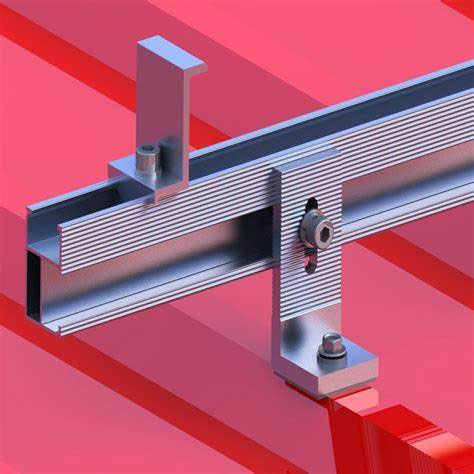
A solar roof rail + L-feet system is a complete rooftop mounting solution consisting of two core components working in perfect synergy:
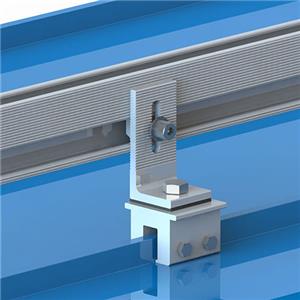
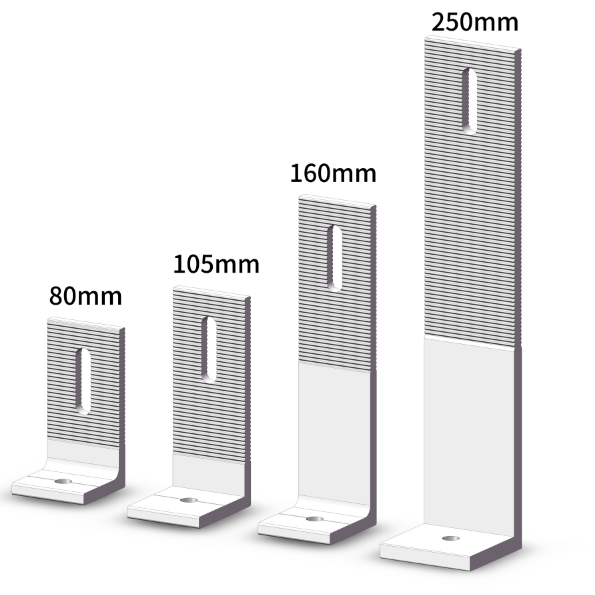
Solar L-Foot – An L-shaped aluminum bracket that bolts directly to your roof rafters or decking. It comes with a built‑in waterproof EPDM gasket that creates a reliable seal when compressed.
Solar Rail – The extruded aluminum channel that sits on top of the L‑feet and carries your solar panels. These aluminum solar panel mounting rails provide the structural backbone that holds PV modules securely in place.
Together, they form a solar panel roof rack mount that is modular, adjustable, and remarkably strong. When you shop for components, you'll commonly see terms like PV mounting rails, aluminium solar panel mounting rails, and solar racking system — all referring to the same essential parts.
Why Solar L‑Foot + Rail Is Changing Roof Mounting
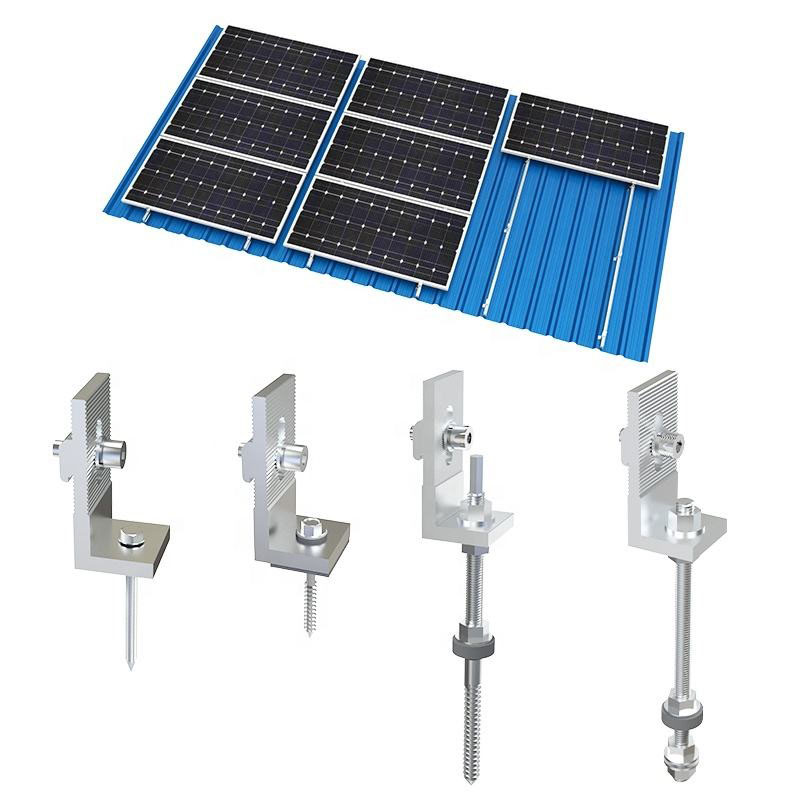
The solar mounting industry has undergone significant evolution. In 2026, the global solar PV mounting systems market is valued at approximately $30.5 billion and continues to grow at a CAGR of 6.3%. Within this expanding market, the L‑foot + rail combination stands out for several compelling reasons.
1. Fewer Roof Penetrations, Fewer Leaks
Traditional hook systems require 2–4 screws per attachment point. A solar L‑foot system needs just one screw per L‑foot. Each L‑foot comes with a factory‑applied waterproof pad that, when compressed, creates a seal that outperforms hand‑cut flashing. Many manufacturers now offer 10‑ to 25‑year leak warranties specifically for L‑foot systems.
This is a game‑changer for rooftop solar installation, where waterproofing remains the biggest concern for homeowners and installers alike.
2. Faster Installation
Because there's no measuring for hook slots or cutting lead sheets, crews can install solar rail mounts roughly 35% faster. One crew member positions L‑feet while another snaps on the solar panel rail. No waiting, no rework, no delays.
For contractors, this translates directly to lower labor costs and more projects completed per quarter.
3. Built‑in Adjustability
This is perhaps the biggest advantage. With traditional hooks, once it's screwed down, the solar panel rail position is locked. If your measurements are off by even 2 cm, you're drilling new holes. With a solar L‑foot, the rail can slide forward or backward along the top slot before tightening.
That single feature saves hours of frustration on a medium‑sized roof and prevents unnecessary roof penetrations.
4. Lower Roof Stress
Traditional hooks concentrate all force on a single screw point. The solar L‑foot spreads the load across a 20–30 cm² footprint. This is critical for older asphalt shingles, fragile clay tiles, or any roof with underlying weaknesses.
5. Versatility Across Roof Types
The L‑foot bracket system works across multiple roof types, with a dedicated attachment method for each:
For asphalt shingles, you mount directly, tucking the gasket under the shingle above.
For clay or concrete tiles, you lift the tile, screw the L‑foot to the decking, then replace the tile.
For metal standing seam, you use a clamp adapter — which means no roof penetration at all.
For corrugated or trapezoidal metal, self‑tapping screws with sealing washers do the job.
6. Built‑in Leveling
The horizontal leg of the solar L‑foot naturally self‑levels on the roof plane. Even if your rafters are slightly warped — common in older homes — the L‑foot still provides a perfectly flat surface for the rails.
The Complete Solar Racking System Components
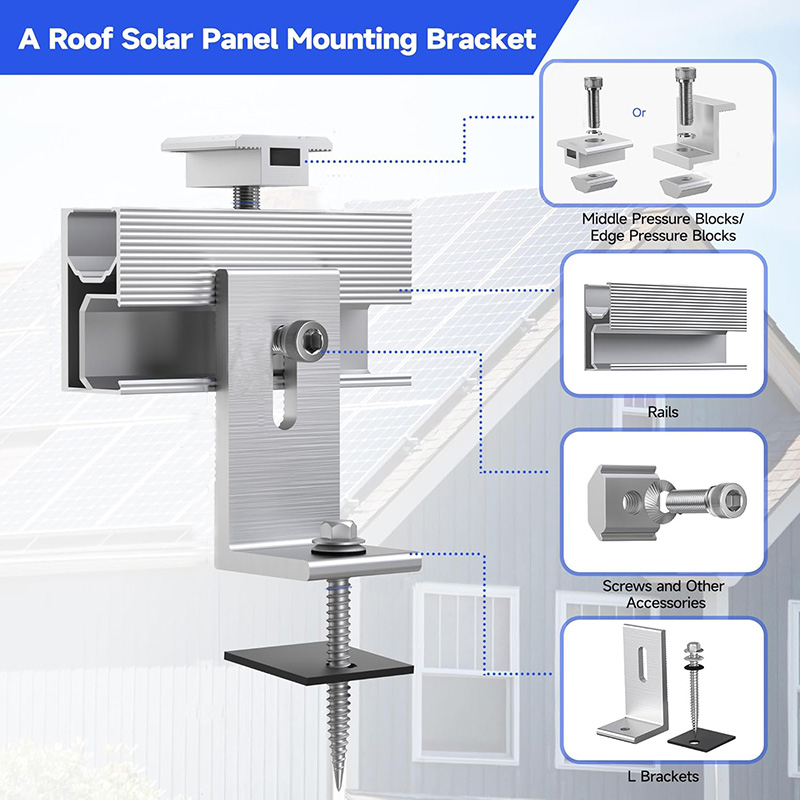
A full solar roof mounting system with L‑feet and rails typically includes:
L‑Feet (with EPDM rubber pads for waterproofing)
Aluminum rails (the structural channel)
Rail connectors / splices (for joining rail sections)
End clamps and mid clamps (for securing panels)
Grounding / earthing kit (for electrical safety)
Fastener kits (bolts, washers, slider nuts)
Premium kits like the Tamarack system also include wire management clips, push‑on end caps, MLPE adapters for microinverters and optimizers, and ground lugs.
Installation Overview: Step by Step
Installing a solar rail + L‑foot system follows a straightforward process:
Step 1: Position and Mark – Measure carefully and mark L‑foot locations on the roof. For metal roofs, use chalk lines for accurate placement.
Step 2: Install L‑Feet – Secure L‑feet to the roof using appropriate fasteners. For asphalt shingle roofs, lift the shingle, embed the flashing plate, and fix the L‑foot with sealed self‑tapping screws. For metal roofs, use self‑tapping screws with waterproof pads.
Step 3: Attach Rails – Place aluminum rails onto the L‑feet and slide them into position. The D‑nut on the L‑foot fits into the rail groove.
Step 4: Secure Panels – Place solar panels on the rails and secure them using end clamps and mid clamps.
Step 5: Grounding – Install the earthing kit to ensure electrical safety and lightning protection.
Industry Standards and Certifications
When selecting a solar racking system, look for UL 2703 certification. UL 2703 covers mounting systems, mounting devices, clamping/retention devices, and ground lugs for photovoltaic modules and panels. Premium systems also carry a Class A Fire Rating and provide PE‑certified engineering letters for permitting.
The 2026 Market Outlook
The solar mounting systems market is experiencing robust growth. The solar panel mounting systems market alone was valued at $15.49 billion in 2025 and is projected to reach $31.43 billion by 2032. The PV mounting systems for metal sheet roofs market is growing even faster at a CAGR of 10.30%.
As distributed residential photovoltaic power generation continues to expand, safe and waterproof roof installation solutions have become a core demand. The L‑foot bracket system — with its proven reliability, ease of installation, and superior waterproofing — is positioned to remain the mainstream solution for residential rooftop photovoltaic projects.
Why Choose Solar Roof Rail + L‑Feet for Your Next Project?
Let’s summarise the key advantages you’ll get:
Single screw per attachment – far fewer roof penetrations and a dramatically lower leak risk.
Factory‑installed EPDM gasket – superior waterproofing compared to hand‑cut flashing.
Sliding rail adjustment – no re‑drilling when measurements are slightly off.
Load‑spreading design – less stress on aging or fragile roofs.
Multi‑roof compatibility – one system works for shingle, tile, and metal roofs.
UL 2703 certified – code‑compliant and insurable.
35% faster installation – lower labour costs and quicker project completion.
Final Thoughts
The solar roof rail + L‑feet system represents the convergence of engineering excellence and practical installer needs. It delivers fewer leaks, faster installs, lower roof stress, and a system that's actually serviceable years down the road.
Whether you're a solar installer looking to streamline your workflow, a contractor specifying PV mounting hardware, or a homeowner planning a rooftop solar installation, the L‑foot + rail combination offers the reliability, speed, and peace of mind that modern solar projects demand.
Ready to upgrade your solar mounting system? Contact us today to learn more about our complete solar roof rail and L‑feet solutions — engineered for performance, built to last, and certified for 2026 and beyond.
- Industry News
- Company News
- blog