Why Solar L Foot + Solar Rail Is the Smartest Way to Mount Panels on Your Roof
When planning a rooftop solar installation, most people focus on panels and inverters. But the structure holding everything together? That's where the real innovation is happening.
Increasingly, professional installers are moving away from old-fashioned hook systems and toward a cleaner, stronger solution: combining a solar L foot with a modern solar rail.
This pairing forms the backbone of a reliable solar panel roof rack mount system. Let me explain what makes it different, why it's better, and how to think about pv rail price when budgeting for your project.
What Exactly Are We Talking About?
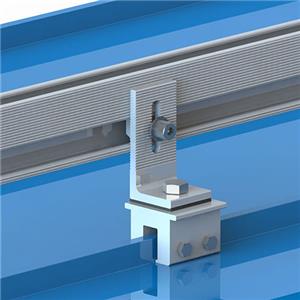
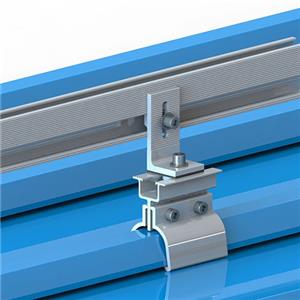
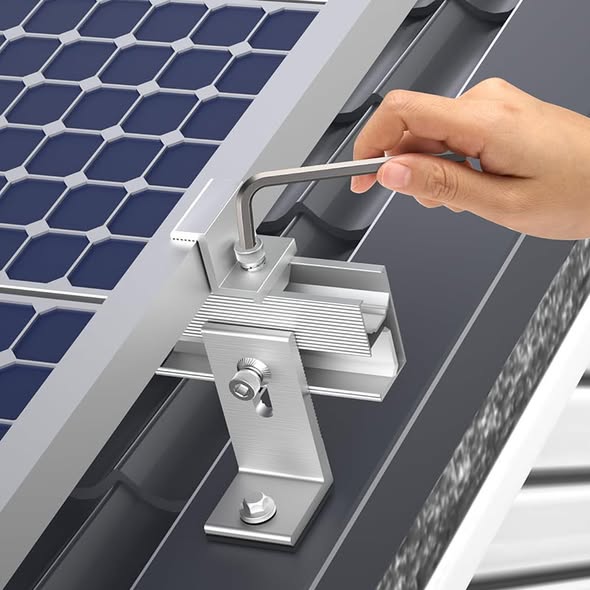
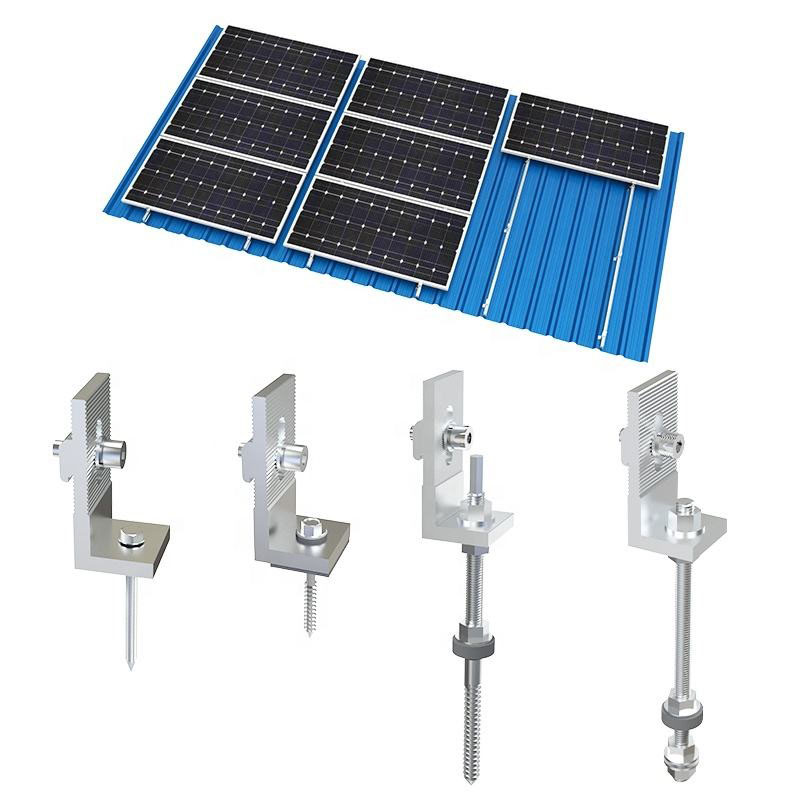
Solar L foot – An L-shaped aluminum bracket that bolts directly to your roof rafters or decking. It comes with a built-in waterproof EPDM gasket.
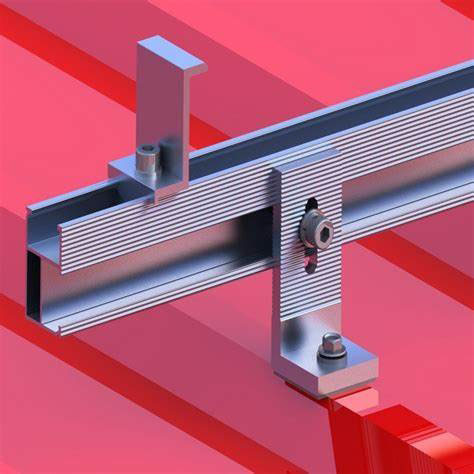
Solar rail – The extruded aluminum channel that sits on top of the L feet and holds your solar panels.
Together, they create a complete solar panel roof rack mount that is modular, adjustable, and remarkably strong.
When you shop for components, you'll commonly see aluminium solar panel mounting rails (the same as solar rails) and pv mounting rails (another industry term). These all refer to the same essential part.
Key Differences vs. Traditional Roof Hooks
| Feature | Old-Style Hook System | L Foot + Rail System |
| Roof penetrations | 2–4 screws per hook | 1 screw per L foot |
| Waterproofing | Lead or rubber flashing (hand-cut) | Pre-attached factory gasket |
| Adjustability | Fixed position once installed | Rail slides along L foot top |
| Roof stress | Point load on one screw | Load spread over ~30 cm² |
The biggest practical difference? Adjustability. With traditional hooks, the position of your pv mounting rails is locked the moment you drive the screws. If your measurement is off by even 2 cm, you're drilling new holes.
With a solar L foot, the rail can slide forward or backward along the top slot before tightening. That one feature saves hours of frustration and prevents unnecessary roof penetrations.
Advantages of the L Foot + Rail Structure
1. Far Fewer Leaks
Each solar L foot includes a factory-installed waterproof pad. When compressed by the single mounting screw, it creates a seal that outperforms hand-cut flashing. Many manufacturers now offer 25-year leak warranties specifically for L foot systems.
2. Faster Installation
Because there's no measuring for hook slots or cutting lead sheets, crews can install aluminium solar panel mounting rails roughly 35% faster. One person positions the L feet; another snaps on the rails. No rework, no delays.
3. Lower Roof Stress
Traditional hooks concentrate all force on a single screw point. The solar L foot spreads the load across a much larger footprint. This is critical for older asphalt shingles, clay tiles, or any roof with underlying weaknesses.
4. Works on Multiple Roof Types
This solar panel roof rack mount design is versatile:
Asphalt shingles – Direct mount, tuck the gasket under the shingle above
Clay/concrete tiles – Lift the tile, screw L foot to decking, then replace the tile
Metal standing seam – Use a clamp adapter (no penetration at all)
5. Built-in Leveling
The horizontal leg of the solar L feet naturally self-levels on the roof plane. Even if your rafters are slightly warped (common in older homes), the L foot still provides a perfectly flat surface for the rails.
6. Easy to Service Later
Need to replace a single panel or repair roof underlayment? Just loosen the rails, slide them off the L feet, and remove only the affected section. You don't have to dismantle half the array.
What About PV Rail Price?
One question I hear constantly: pv rail price – is this system more expensive?
Here's the honest answer:
Upfront material cost – An L foot + rail system typically costs 10–15% more than basic hooks and wood screws.
Labor savings – Faster installation often cuts labor costs by 20–30%, which more than offsets the higher material price.
Long-term value – Fewer leak repairs and easier maintenance make this system cheaper over the life of your array.
If you're looking for the best roof rack for solar panels, don't just compare pv rail price in isolation. Look at total installed cost and expected lifespan. The L foot + rail combination consistently wins on both.
Choosing the Right Components
When shopping, focus on:
Aluminium solar panel mounting rails – Choose 6000-series aluminum (typically 6005 or 6063) for the best strength-to-weight ratio. Standard lengths are 3–5 meters.
Solar L feet – Make sure they are rated for your local wind speed. A 120 mph rating is standard for most of the US.
Rail splices – Used to join multiple pv mounting rails end-to-end for long roof spans.
Avoid ultra-cheap steel rails – they rust. And never mix L feet from different brands without verifying compatibility.
Real-World Example
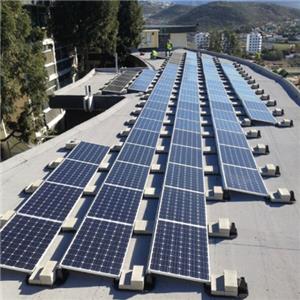
Last month, I watched a crew install a 7.6 kW system on a 25-year-old asphalt roof. They used solar L feet every 1.2 meters along each pv mounting rail run. The aluminium solar panel mounting rails went down in straight, level lines without a single cracked shingle.
The entire rail mounting phase took under three hours. The homeowner later told me, "It looks cleaner than my neighbor's system." That's the L foot difference.
Is This the Best Roof Rack for Solar Panels?
For most sloped residential roofs – yes.
If you want the best roof rack for solar panels on asphalt shingle, clay tile, or concrete tile roofs, the L foot + rail system is hard to beat. It offers:
Fewer roof penetrations
Better waterproofing
Faster installation
Lower long-term maintenance
The only exceptions are:
Corrugated metal roofs thinner than 0.5 mm
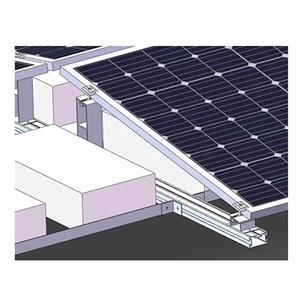
Flat commercial roofs (use pedestals instead)
Live green roofs (specialized low-impact mounts exist)
Bottom Line
The shift from old hook-style attachments to a modern solar panel roof rack mount using solar L feet and solar rails is not a minor tweak – it's a genuine improvement.
You get fewer leaks, faster installs, lower roof stress, and a system that's actually serviceable years down the road.
When comparing pv rail price, remember: the cheapest option upfront is rarely the cheapest over 25 years. Invest in aluminium solar panel mounting rails and quality solar L feet – your roof will thank you.