Electric Vehicle Charging Stations: Powering a Sustainable Future
The global transition towards electric mobility is fundamentally reshaping transportation, and at the heart of this revolution lies the Electric Vehicle (EV) Charging Station. Far more than a simple "fuel pump for electrons," a modern EV charger is a sophisticated piece of energy technology that provides the critical link between the electrical grid and the zero-emission vehicle. This infrastructure is the backbone enabling widespread EV adoption, offering a blend of environmental, economic, and technological benefits. Understanding its core advantages and the diverse types available is key to appreciating how it seamlessly integrates into our daily lives and long-term sustainability goals.
Core Advantages of Modern EV Charging Infrastructure
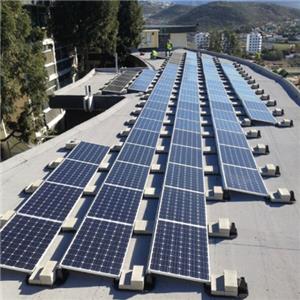
1. Environmental Leadership and Sustainability: The most significant advantage is the direct contribution to cleaner air and reduced greenhouse gas emissions. EVs powered through charging stations produce zero tailpipe emissions, drastically cutting pollutants like NOx and particulate matter in urban areas. When the electricity used for charging is sourced from renewable energy—such as solar, wind, or hydro—the entire lifecycle of driving becomes virtually carbon-neutral. This creates a powerful synergy between the clean energy and transport sectors, accelerating progress toward climate goals.
2. Exceptional Cost Efficiency and Energy Savings: Operating an EV is markedly cheaper than a conventional gasoline or diesel vehicle. Electricity is a more cost-effective "fuel" per kilometer, leading to substantial long-term savings for consumers and fleet operators. Furthermore, electric drivetrains are inherently more energy-efficient, converting over 77% of electrical energy from the grid to power at the wheels, compared to the 12-30% efficiency of internal combustion engines. Smart charging stations amplify these savings by allowing users to schedule charging during off-peak hours when electricity rates are lowest.
3. Unparalleled Convenience and User Experience: EV charging transforms the refueling paradigm. The ultimate convenience is home charging, where owners can plug in overnight and start every day with a full "tank," eliminating routine trips to the gas station. The expanding network of public, workplace, and destination chargers at shopping centers, hotels, and parking facilities provides continuous opportunities for convenient top-ups. Advanced mobile applications and in-car systems allow drivers to easily locate available stations, check real-time status, and initiate payment seamlessly.
4. Advanced Intelligence and Grid Integration: Modern stations are "smart" connected devices. Through Wi-Fi or cellular networks, they enable remote monitoring, control via smartphone apps, and detailed energy consumption tracking. This intelligence is crucial for load management. Utilities and network operators can use smart chargers to balance electricity demand, prevent grid overload during peak times, and even use EV batteries as distributed energy resources through Vehicle-to-Grid (V2G) technology, where EVs can feed power back to the grid to stabilize it.
5. Robust Safety and Reliability: Charging systems are engineered to the highest international safety standards (IEC 62196, IEC 61851). They incorporate multiple protective features, including automatic shut-off, ground fault monitoring, overcurrent protection, and temperature control. Connectors are designed to be fully insulated and only become energized when securely locked to the vehicle's inlet, ensuring safety in all weather conditions. Rigorous testing guarantees long-term reliability and peace of mind for users.
A Detailed Look at Charging Station Types
Chargers are classified by their power output, charging speed, and current type (Alternating Current-AC or Direct Current-DC). This creates a tiered ecosystem suited for different needs and timeframes.
1. Level 1 Charging (AC Trickle Charging):
Power Output: 1.2 kW to 2.4 kW (using a standard 120V/240V household outlet).
Charging Speed: Very slow, typically adding 5-8 kilometers of range per hour of charging.
Primary Use Case: Best suited for plug-in hybrid electric vehicles (PHEVs) with smaller batteries or for EV owners with very low daily mileage and the ability to charge for extended periods (e.g., overnight for 12+ hours). Its main advantage is requiring no specialized equipment installation.
2. Level 2 Charging (AC Fast Charging):
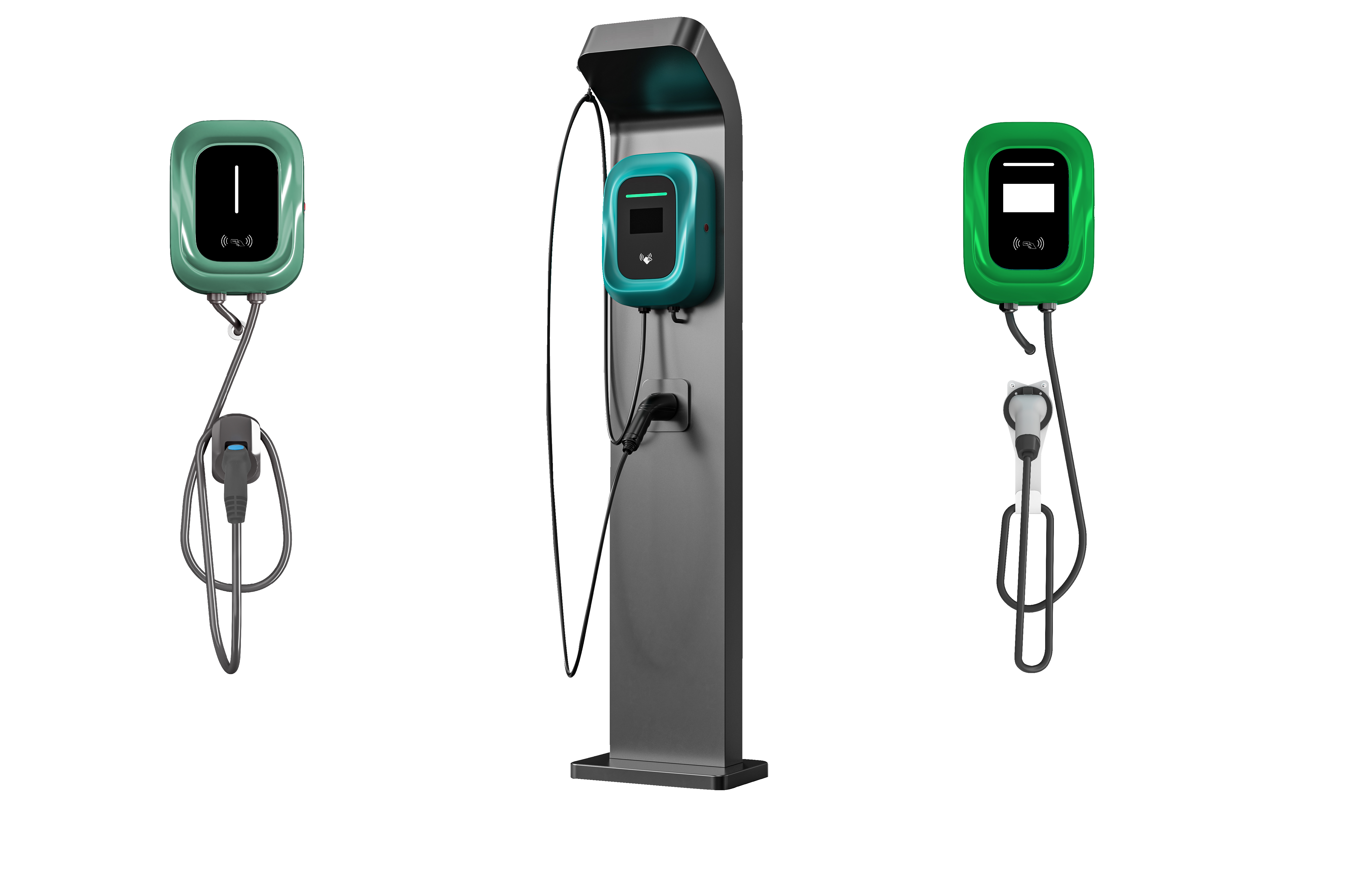
Power Output: Ranges from 3.7 kW (single-phase) up to 22 kW (three-phase), with 7.4 kW and 11 kW being most common for home and public units.
Charging Speed: Significantly faster, adding approximately 25-120 kilometers of range per hour.
Primary Use Case: The workhorse of EV charging. It is the most recommended and popular solution for home charging (with a dedicated wallbox), as well as for workplace charging, and public destination charging at locations where cars are parked for 1-4 hours. It offers the ideal balance of installation cost, charging speed, and grid impact for daily use.
3. Level 3 Charging (DC Fast Charging & Ultra-Fast Charging):
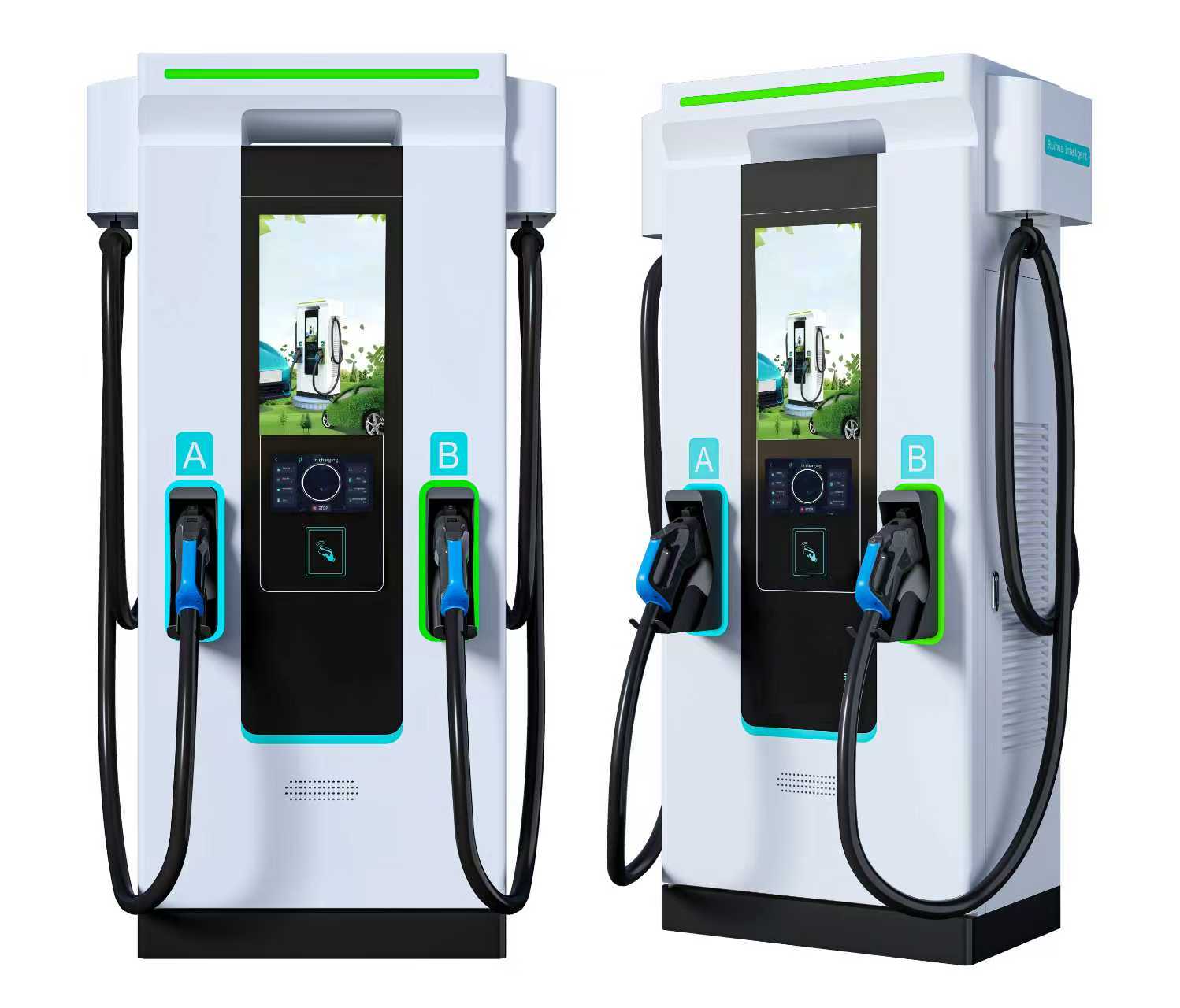
Power Output: 50 kW and above. Current high-power chargers commonly deliver 150 kW, 350 kW, with the latest generation pushing 400 kW and beyond.
Charging Speed: Extremely fast. Capable of adding 100-500+ kilometers of range in just 15-30 minutes, depending on the vehicle's maximum charging acceptance rate.
Primary Use Case: Essential for long-distance travel and en-route charging along highways and major corridors. These are found at dedicated charging plazas, highway service stations, and logistics depots. They use DC power to bypass the vehicle's onboard converter, delivering power directly to the battery.
Connector Standards: The landscape includes several standards: CCS Combo (Combined Charging System, dominant in North America and Europe), CHAdeMO (prominent in Japan and for some legacy models), GB/T (the Chinese national standard), and Tesla's proprietary Supercharger network (though Tesla is increasingly offering CCS compatibility in many regions).
4. Wireless Inductive Charging (An Emerging Frontier):
Technology: Uses resonant electromagnetic induction to transfer energy from a charging pad embedded in the ground to a receiver plate mounted on the vehicle's underside, with no physical cable connection.
Current Status & Use Case: Primarily in pilot and limited commercial deployment. It offers the ultimate in convenience and automation, making it promising for autonomous vehicle fleets, public transit (e.g., electric buses at designated stops), and future luxury consumer vehicles. While efficiency and cost remain challenges, it represents a significant direction for seamless, hands-free charging.
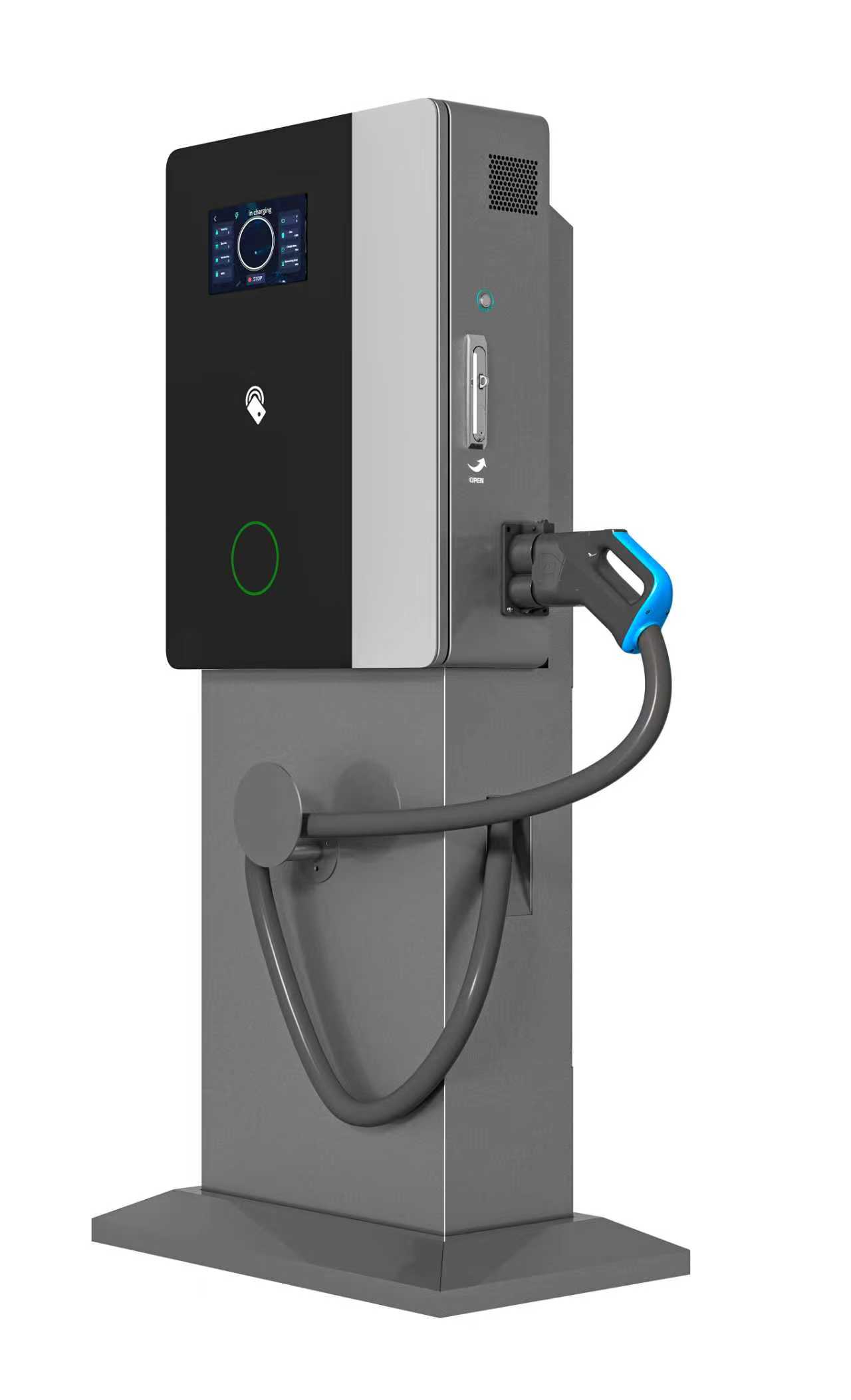
In summary, the modern EV charging station is a dynamic and intelligent gateway to sustainable transportation. Its evolution from a basic connector to a smart grid-interactive device highlights its pivotal role. With a diversified portfolio—from the ubiquitous and practical Level 2 charger to the awe-inspiring speed of Ultra-Fast DC stations—this infrastructure is meticulously designed to meet every conceivable need, from daily commuting to cross-continental adventures. As technology advances, charging will become even faster, more integrated, and more intuitive, firmly establishing electric vehicles as the convenient, clean, and intelligent choice for the future of mobility.